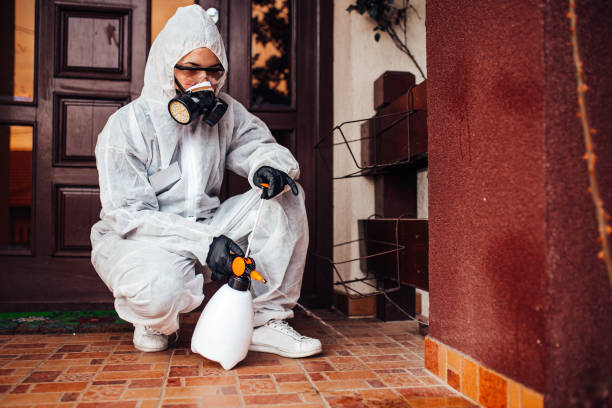
When drywood termite damage is spread across multiple wall sections or floors, spot treatment can't reach every colony — tent fumigation with sulfuryl fluoride is what clears the entire structure at once. Because the gas penetrates solid wood rather than just surface cracks, fumigation reaches colonies living deep inside framing that no injection or spray treatment could ever access.
A licensed fumigator walks the structure with you to explain exactly what tenting involves before you commit.
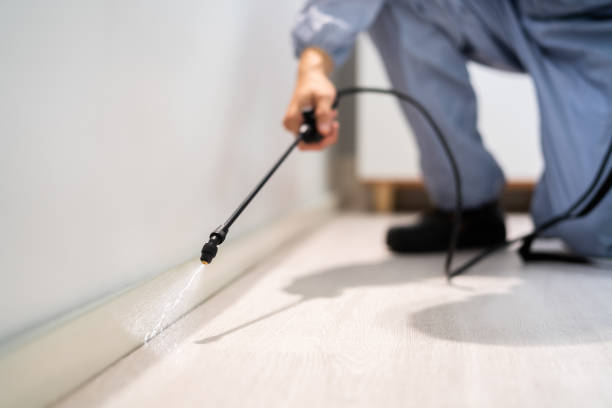
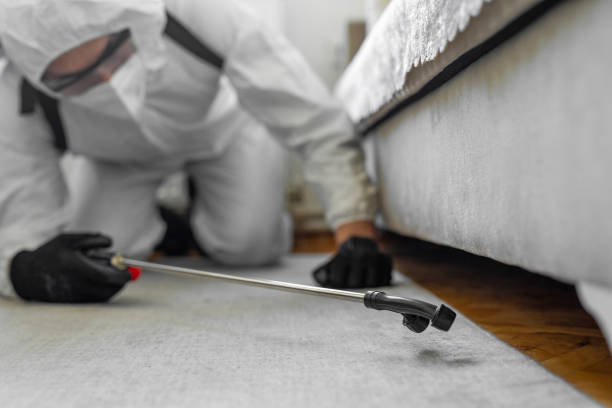

Structural fumigation legally requires specialized certification, which our lead fumigators carry and maintain.
We coordinate tenting, gas exposure time, and aeration clearance into a clear timeline so you know exactly when you can re-enter.
You'll see one written quote covering tenting, gas application, aeration, and clearance testing.
We use sulfuryl fluoride gas with certified monitoring equipment to confirm safe concentration and clearance levels.
Tenting reaches areas spot treatment physically cannot — inside solid wood framing, not just surface-level cracks.
When drywood termite colonies are spread across multiple areas of a structure, fumigation eliminates all of them in one treatment.
Our team walks you through exactly what needs to leave the structure and what can safely stay sealed inside.
Clearance testing confirms gas levels are safe before anyone, including our own crew, re-enters the building.
Larger commercial buildings and multi-unit structures get coordinated tenting plans accounting for tenant notification and timing.
You'll receive full documentation of the fumigation, including gas application records and clearance certification.

Tell dispatch about the extent of damage found so a licensed fumigator can assess whether tenting is the right call.
A licensed fumigator inspects the structure and confirms whether tenting is necessary versus a more localized alternative.
Assessment includes a clear timeline for tenting, gas exposure, aeration, and when you can safely return.
The structure is tented, treated, aerated, and clearance-tested before we certify it safe for re-entry.
Our drywood termite damage was spread across two floors and spot treatment just wasn't going to cut it. The fumigation team walked us through every step of the tenting process.
As a property manager for a multi-unit building, coordinating tenant notification for fumigation seemed daunting, but Nex Pest Control handled the scheduling and paperwork.
The inspector was honest that our case didn't actually need full fumigation and recommended localized treatment instead, which saved us real money.
Buying an older home with visible drywood damage in three separate rooms, fumigation ended up being the only option that made sense, and the crew explained every stage of tenting clearly.

Nex Pest Control dispatches licensed fumigators throughout Derby and nearby communities for structural tenting projects of any size. We handle single-family homes, multi-unit buildings, and commercial structures across Derby, each with its own tenting and coordination plan.

Fumigation is recommended specifically when damage is spread across multiple areas that localized treatment can't fully reach.
Typically a few days, covering gas application, exposure time, and aeration before clearance testing confirms it's safe to return.
Most furniture and belongings can stay sealed inside; it's primarily consumables and living things that need to be removed.
The gas dissipates completely during aeration, and we don't clear the structure until testing confirms it.
Compliance paperwork covering the entire process is available whenever you need it on file.
Commercial fumigation follows the same process with additional planning for occupied buildings.
One call to +1-866-315-0243 gets a licensed fumigator scheduled for your property.
Call +1-866-315-0243